

How to Maintain Kidney Health to Avoid Kidney Disease
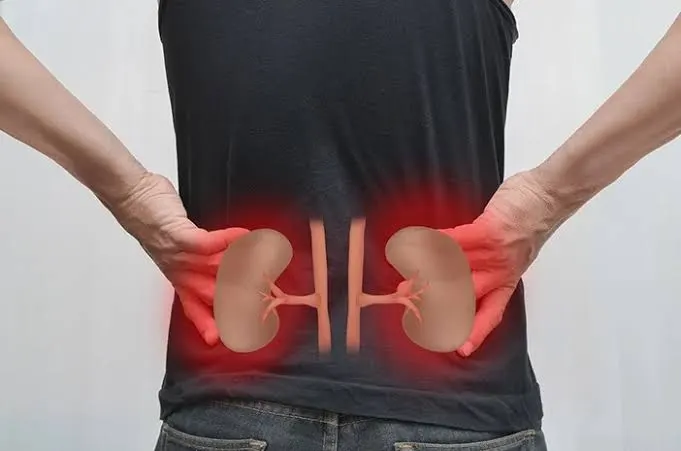
JAKARTA, Headline24.id – Kidneys are one of the vital organs that play an important role in maintaining body health. These organs function to filter blood, remove metabolic waste, regulate fluid balance, and help control blood pressure.
Unfortunately, many cases of kidney disease develop slowly without causing symptoms in the early stages. As a result, many patients only discover their kidney condition after the organ's function has significantly decreased.
Therefore, maintaining kidney health from an early age is an important step to prevent various disorders that can affect quality of life.
Why is Kidney Health Important to Maintain?
Kidneys work tirelessly to filter around hundreds of liters of blood every day. These organs also play a role in removing toxins and maintaining mineral balance in the body.
If kidney function is impaired, waste and excess fluid can accumulate, increasing the risk of various health problems, including chronic kidney disease.
Kidney disease is also often associated with other conditions such as diabetes, high blood pressure, and heart disease.
How to Maintain Kidney Health to Stay Optimal
There are a number of simple habits that can be done to help maintain healthy kidney function.
1. Drink Enough Water
Meeting daily fluid needs is one of the most effective ways to maintain kidney health.
Water helps the kidneys remove waste products and toxins through urine. In addition, adequate water consumption can also help reduce the risk of kidney stone formation.
In general, adults are advised to consume about eight to 10 glasses of water per day, although individual needs may vary depending on activity and health conditions.
2. Limit Excessive Salt Consumption
Consuming too much salt can increase blood pressure, which is one of the main risk factors for chronic kidney disease.
Instant foods, processed foods, packaged snacks, and fast food generally contain high levels of sodium.
Reducing salt intake can help keep blood pressure stable while reducing the workload on the kidneys.
3. Keep Blood Sugar Levels Stable
Diabetes is one of the leading causes of kidney damage in many countries.
High blood sugar levels over a long period can damage the small blood vessels in the kidneys, disrupting the blood filtration process.
To reduce this risk, people are advised to consume a balanced nutritious diet, increase fiber intake, limit added sugars, and engage in regular physical activity.
4. Avoid Excessive Alcohol Consumption
Excessive alcohol consumption can affect the balance of fluids and electrolytes in the body.
In addition, alcohol can also increase blood pressure, which can worsen kidney health in the long term.
Limiting or avoiding alcohol consumption is an important step in maintaining the function of body organs, including the kidneys.
5. Quit Smoking
Smoking is known to damage blood vessels and reduce blood flow to various organs, including the kidneys.
This condition makes the kidneys work harder and risk a decline in function over time.
Quitting smoking, including the use of electronic cigarettes or vapes, can help maintain kidney health and reduce the risk of various other chronic diseases.
Recognize the Symptoms of Kidney Problems
Although often asymptomatic in the early stages, there are several signs that can indicate kidney disorders and require attention.
Some symptoms to watch out for include:
- Pain during urination.
- Persistent foamy urine.
- Blood in the urine.
- Swelling in the legs, hands, or face.
- Fatigue without a clear cause.
- Significant changes in urination frequency.
If you experience one or more of these symptoms, it is advisable to seek medical attention immediately at a healthcare facility for further evaluation.
Early Detection is Important to Prevent Kidney Damage
Regular health check-ups are an important step to detect kidney conditions early, especially for individuals with risk factors such as diabetes, hypertension, obesity, or a family history of kidney disease.
Through routine examinations, kidney dysfunction can be detected earlier, allowing for treatment before more severe damage occurs.
Adopt a Healthy Lifestyle to Protect Your Kidneys
Maintaining kidney health does not require complicated steps. Simple habits such as drinking enough water, controlling blood pressure and blood sugar, avoiding smoking, and adopting a healthy diet can provide significant long-term benefits for kidney function.
By maintaining kidney health from an early age, the risk of chronic kidney disease and its associated complications can be minimized, thus preserving quality of life.