

Don't Ignore HPV, Here's How to Effectively Prevent Cervical Cancer
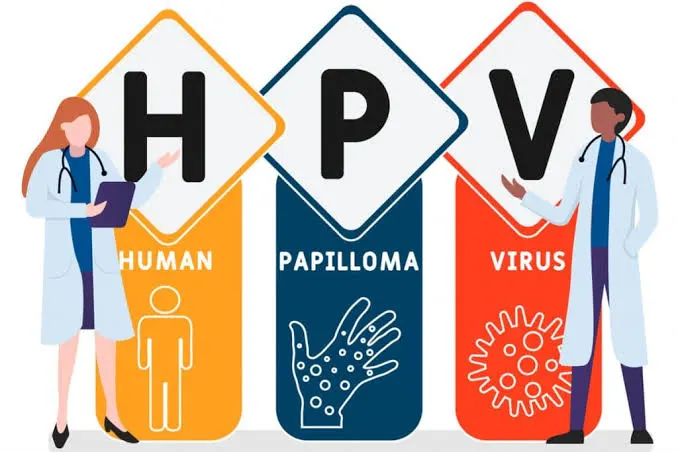
JAKARTA, Headline24.id – Cervical cancer remains one of the most common types of cancer affecting women. This disease generally develops slowly and often shows no symptoms in its early stages, leading to many new cases being detected when they have already reached advanced stages.
Health experts identify infection with Human Papillomavirus (HPV) as the primary cause of cervical cancer. Therefore, HPV vaccination and regular screenings are the most effective steps to reduce the risk of this life-threatening disease.
The Ministry of Health also continues to encourage increased HPV vaccination coverage as part of efforts to prevent cervical cancer in Indonesia.
What is Cervical Cancer?
Cervical cancer is a cancer that develops in the cervix, which is the lower part of the uterus that connects to the vagina.
This disease occurs when cells in the cervical area undergo abnormal changes and grow uncontrollably, becoming malignant.
Cervical cancer is one of the most frequently diagnosed cancers in women, especially in developing countries that still have limited access to healthcare services and regular screening.
HPV is the Main Cause of Cervical Cancer
The majority of cervical cancer cases are caused by long-term infection with the Human Papillomavirus (HPV), particularly oncogenic HPV types that have the potential to cause cancer.
This virus is generally transmitted through sexual contact and can remain in the body for years without causing symptoms.
If the infection is not treated and the immune system fails to clear the virus, cellular changes in the cervix can occur and develop into cancer.
In addition to HPV infection, several factors can increase the risk of cervical cancer, including:
- Smoking habits.
- Weakened immune system.
- Family history of cervical cancer.
- Sexually transmitted infections such as chlamydia or gonorrhea.
- Giving birth at a very young age or too frequently.
- Unhealthy lifestyle.
Cervical Cancer Symptoms to Watch Out For
In the early stages, cervical cancer often does not cause clear complaints.
However, some symptoms that require attention include:
- Bleeding outside of the menstrual cycle.
- Bleeding after sexual intercourse.
- Excessive or abnormally smelling vaginal discharge.
- Pain during sexual intercourse.
- Mild pain in the pelvic area or lower back.
Because the symptoms are often non-specific, many patients only discover their illness after the cancer has progressed further.
Signs of Advanced Cervical Cancer
If not detected early, cervical cancer can progress to more severe stages and affect surrounding organs.
In advanced conditions, patients may experience:
- Recurrent heavy bleeding.
- Chronic pain in the pelvis or waist.
- Unexplained weight loss.
- Difficulty urinating.
- Bowel disturbances due to cancer spread.
These symptoms require immediate medical attention to prevent more serious complications.
Understanding the Difference Between Cervical Cancer and Uterine Cancer
Although often considered the same, cervical cancer is different from uterine cancer.
Cervical cancer develops in the cervix, while uterine cancer generally originates from the inner lining of the uterus, the endometrium.
Nevertheless, both share some similar symptoms, such as:
- Abnormal bleeding.
- Pelvic pain.
- Excessive vaginal discharge.
- Discomfort in the lower abdomen.
Because the symptoms can resemble each other, medical examination is necessary to ensure an accurate diagnosis.
When is the Best Time to Get the HPV Vaccine?
The HPV vaccine is the most effective preventive measure against cervical cancer.
The World Health Organization recommends that the vaccine be given before a person becomes sexually active, as protection will be more optimal before exposure to the HPV virus occurs.
The recommended age group for receiving the HPV vaccine is girls aged 9 to 14 years.
In Indonesia, the HPV vaccine has become part of the national immunization program and is given to 5th and 6th-grade elementary school students.
However, vaccination can still be given at a more mature age according to the recommendation of healthcare professionals.
Early Detection Increases Chances of Recovery
In addition to vaccination, early detection is a crucial factor in reducing mortality rates from cervical cancer.
Examinations such as Pap Smear and IVA Test can help detect abnormal cell changes before they develop into cancer.
The sooner abnormalities are detected, the greater the chance of successful treatment and patient recovery.
Therefore, women who are sexually active are advised to undergo regular examinations as recommended by their doctor.
Prevention is Better Than Cure
Cervical cancer is a disease where most cases can be prevented through HPV vaccination, a healthy lifestyle, and regular check-ups.
Awareness to recognize early symptoms and undergo regular screening are important steps in protecting women's reproductive health.
With a combination of vaccination and early detection, the risk of cervical cancer can be significantly reduced, thereby maintaining women's quality of life.