

Nipah Virus: Symptoms, Transmission, and Prevention
JAKARTA, Headline24.id – Nipah virus is once again a concern after a number of cases were reported in India. Although considered a relatively rare disease, infection with this virus has a high mortality rate and can cause serious neurological disorders in sufferers.
Nipah Virus (NiV) is a zoonotic virus that can be transmitted from animals to humans. In addition, transmission can also occur through contaminated food or close contact with infected individuals.
According to the World Health Organization (WHO), this virus was first identified during an outbreak in pig farms in Malaysia in 1999. Since then, several cases have still been found in several Asian countries, including India.
Based on a report from the National Centre for Disease Control (NCDC), as of January 27, 2026, there were two confirmed cases of Nipah Virus in the West Bengal region of India. Local health authorities have also traced 196 suspected contacts, all of whom tested negative.
What is Nipah Virus?
Nipah virus is an animal-borne disease that can infect humans through various transmission routes.
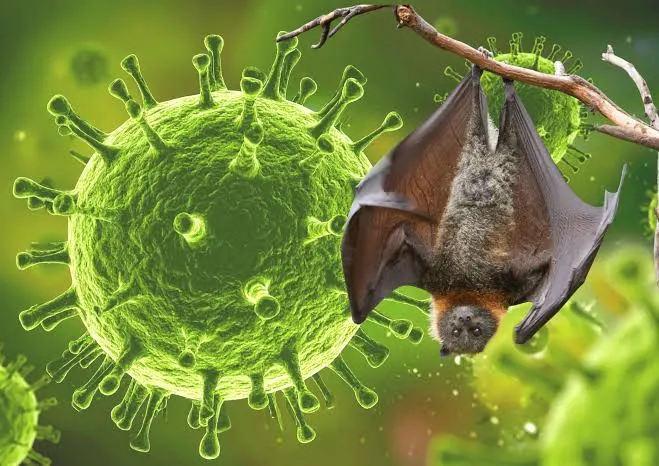
The natural host of this virus is fruit bats of the genus Pteropus, also known as flying foxes. These animals can carry the virus without showing symptoms, thus acting as a natural reservoir for the spread of Nipah Virus.
From bats, the virus can spread to other animals such as pigs before eventually infecting humans.
How Nipah Virus is Transmitted
Nipah virus transmission can occur through several main routes.
1. Transmission from Animals to Humans
Infection can occur due to direct contact with infected animals, especially fruit bats and pigs.
Groups at higher risk include farmers, stable workers, and individuals who frequently interact with livestock or wildlife.
2. Through Contaminated Food
Nipah virus can also spread through food or drinks that have been exposed to the bodily fluids of virus-carrying animals.
Fruits with bat bite marks or contaminated with the animal's saliva have the potential to be a medium of transmission.
3. Human-to-Human Transmission
Human-to-human transmission can occur through close contact with an infected person.
The risk of infection increases when a person is exposed to blood, saliva, urine, or respiratory fluids from an infected patient.
Nipah Virus Symptoms to Watch Out For
The incubation period for Nipah Virus generally ranges from four to 14 days after exposure to the virus. However, in some specific cases, the incubation period can reach up to 45 days.
In the early stages, common symptoms include:
- Fever
- Headache
- Muscle pain
- Vomiting
- Sore throat
As the disease progresses, the patient's condition can worsen and cause more serious symptoms such as:
- Dizziness and excessive drowsiness
- Decreased consciousness
- Nervous system disorders
- Encephalitis or brain inflammation
- Severe respiratory distress
- Atypical pneumonia
In severe cases, patients can experience seizures leading to a coma within 24 to 48 hours after the onset of neurological disorders.
Nipah Virus Mortality Rate is Quite High
Nipah virus is one of the diseases with a high fatality rate.
WHO data shows that the mortality rate due to Nipah Virus infection ranges from 40 to 75 percent, depending on the outbreak conditions, speed of diagnosis, and quality of available healthcare services.
Although some patients can recover fully, about 20 percent of survivors are reported to experience long-term neurological disorders such as recurrent seizures and behavioral changes.
How to Prevent Nipah Virus
Currently, there is no specific vaccine available to prevent Nipah Virus infection. Therefore, preventive measures are the most effective way to reduce the risk of transmission.
Some efforts that can be made include:
Maintaining Food Hygiene
- Wash fruits before consumption.
- Peel fruits if possible.
- Avoid consuming fruits with bat bite marks.
Reducing Risk from Livestock
- Use personal protective equipment when handling sick animals.
- Avoid direct contact with animals suspected of being infected.
- Protect stables and livestock feed from bat exposure.
Preventing Human-to-Human Transmission
- Avoid unprotected direct contact with infected individuals.
- Wash hands regularly with soap and running water.
- Use personal protective equipment when caring for patients.
Surveillance in Health Facilities
Healthcare workers need to implement strict infection control procedures, including contact, droplet, and airborne protection as needed.
In addition, laboratory examinations must be carried out by trained personnel with adequate safety standards.
Be Vigilant Despite Rare Cases
Although Nipah virus cases are considered rare, the threat posed cannot be ignored given the high mortality rate and potential for spread.
Increasing public awareness about transmission methods, symptoms, and preventive measures is an important part of reducing the risk of future outbreaks.
The implementation of clean living patterns, animal health surveillance, and early detection are key steps to prevent the spread of Nipah Virus in various regions.